
ByJohn A
How Better Sleep Spaces Are Changing the Way We Care for Dogs
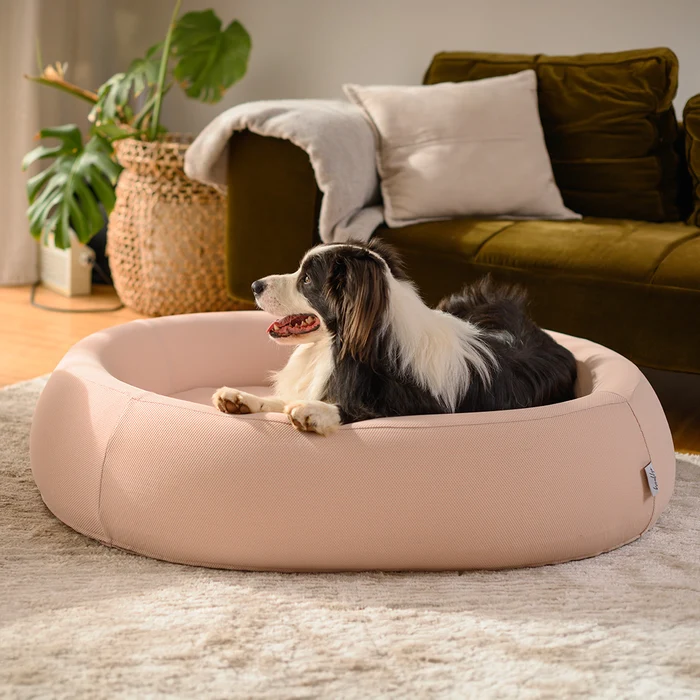
Dogs spend a significant part of their lives resting, yet their sleeping environment is often treated as an afterthought. As more pet owners pay attention to enrichment, comfort, and overall well-being, the design of a dog’s sleeping area is becoming part of a more thoughtful approach to pet care. Choosing a nest dog bed can be one simple way to create a space where a dog feels comfortable, secure, and ready to settle.
This shift is not simply about choosing something soft. A well-designed sleep space can support healthy rest while giving dogs a familiar place to retreat when they want quiet time. Just as people benefit from a comfortable bedroom, dogs can benefit from having a dedicated area that suits their natural habits and daily routines.
The growing focus on pet-friendly home design also means owners are looking for products that balance canine comfort with the appearance and functionality of their living spaces. That makes the modern dog bed less of an accessory and more of an intentional part of the home.
Understanding What Makes a Good Dog Sleep Space
Dogs have different sleeping preferences depending on their size, age, body shape, personality, and habits. Some prefer to stretch out across an open surface, while others naturally curl into a compact position.
A useful sleep space should accommodate these preferences rather than forcing every dog into the same style of bed.
Consider these practical characteristics when evaluating a sleeping area:
- Supportive construction: A stable sleeping surface can help a dog settle comfortably without constantly shifting position.
- Appropriate size: Dogs should have enough room to change positions without feeling restricted.
- Comfortable materials: Soft, breathable fabrics can create a more inviting environment for regular rest.
- Secure edges: Raised or cushioned borders may appeal to dogs that enjoy curling up against something while sleeping.
- Easy maintenance: Removable and washable components make it easier to maintain a clean sleeping environment.
The best choice is ultimately the one that matches the dog’s individual behavior. Observing where and how your dog naturally sleeps can provide useful clues before selecting a new bed.
The Rise of Comfort-Focused Pet Care
Modern pet care increasingly looks beyond food, exercise, and veterinary appointments. Owners are also considering how the home environment affects everyday comfort.
Sleep plays an important role in a dog’s daily routine. Rest allows dogs to recover from activity and maintain their normal energy levels. A comfortable sleeping area can encourage them to settle instead of repeatedly moving between different parts of the home.
This is particularly relevant for dogs that become restless when their sleeping area is too exposed, uncomfortable, or poorly positioned. Creating a consistent place for rest can give them a sense of familiarity.
The broader trend toward enrichment-focused pet ownership has also encouraged owners to think about the home from a dog’s perspective. Instead of simply placing a bed wherever there is spare floor space, many people now consider factors such as noise, household traffic, temperature, and the dog’s preferred sleeping position.
Why Nesting Behavior Matters
The way a dog sleeps can reveal a great deal about what makes it comfortable.
Dogs that curl tightly into a ball may enjoy a bed with soft boundaries that create a sheltered feeling. Others may prefer a flatter surface where they can fully extend their bodies. Some dogs switch between positions throughout the night and need a more flexible sleeping area.
Nesting behavior is also connected to instinct. Dogs often seek spaces that provide a sense of security while allowing them to remain aware of their surroundings. A cushioned perimeter can replicate some of the enclosure they may naturally seek when settling down.
This does not mean every dog needs a heavily enclosed bed. The goal is to provide an environment that feels inviting without restricting natural movement.
Matching the Bed to Your Dog’s Sleeping Style
Before choosing a bed, spend some time observing your dog’s habits. Small details can make a meaningful difference in the final selection.
Dogs That Love to Curl Up
Dogs that consistently sleep curled into a ball may appreciate a cushioned perimeter. The raised edge can provide a comfortable surface to lean against while creating a more enclosed feeling.
Dogs That Stretch Out
Long sleepers often need a larger, flatter area. A bed that is too compact may prevent them from fully extending their legs and changing positions naturally.
Dogs That Change Positions Frequently
Some dogs move from curling to stretching several times while resting. For these dogs, a flexible sleeping surface with adequate room can be particularly useful.
Dogs That Prefer Quiet Corners
Location can matter just as much as the bed itself. A quiet corner away from constant foot traffic may help a dog settle more easily, especially if it prefers a calmer environment.
See also: How Packaging Design Influences Consumer Buying Decisions in the Snack Industry
Choosing Materials With Everyday Use in Mind
Appearance may attract attention when shopping for a dog bed, but materials determine much of the everyday experience.
Breathability is important because dogs can become uncomfortable when their sleeping surface holds too much heat. At the same time, cushioning should provide enough comfort for the dog’s preferred sleeping position.
Durability also matters. Dogs may dig, circle, scratch, or reposition themselves before settling down. A sleeping surface should be able to handle these ordinary behaviors without quickly losing its shape.
Maintenance is another important consideration. Dogs naturally bring dirt, hair, and outdoor debris into the home. A design that can be cleaned easily makes it simpler to maintain a pleasant sleeping area.
Creating a Sleep Space That Fits the Home
Pet-friendly design does not have to mean sacrificing the appearance of a room. Modern dog beds increasingly fit into living spaces without looking disconnected from the surrounding furniture.
This is where thoughtful design becomes useful. Brooklyn, reflects the broader movement toward pet products that combine practical comfort with a more considered visual presence.
When selecting a bed, think about where it will be used. A bed in a living room may need to complement the existing environment, while one in a quieter part of the home may prioritize privacy and relaxation.
Placement should also leave enough room for the dog to enter, leave, turn around, and reposition itself comfortably.
Supporting Better Rest Through Routine
A comfortable bed works best when it is part of a consistent routine. Dogs often learn to associate particular spaces with relaxation, especially when those spaces remain available and undisturbed.
Try to avoid repeatedly moving the bed around the house unless there is a practical reason. A familiar location can become a reliable retreat where the dog knows it can rest.
Household habits matter as well. If the sleeping area is positioned beside a frequently used doorway, television, or busy walkway, the dog may have difficulty settling. A calmer location can create a more peaceful atmosphere.
At the same time, dogs are social animals. Some may prefer sleeping near their owners rather than being isolated in another room. The right location depends on the individual dog’s temperament and preferences.
Making Comfort Part of Responsible Pet Ownership
Responsible pet ownership involves more than meeting basic physical needs. It also means paying attention to behavior and creating an environment that supports normal routines.
A dog’s sleeping area should be comfortable, clean, appropriately sized, and suited to its habits. It should also be inspected regularly for signs of wear. Flattened cushioning, damaged fabric, or loose components can reduce comfort and may indicate that the sleeping area needs attention.
Owners can also use observation to determine whether the current setup is working. If a dog repeatedly avoids its bed, constantly changes locations, or seems uncomfortable while resting, the issue may be related to the bed, its placement, or another environmental factor.
Understanding these signals encourages a more responsive approach to pet care.
The Future of Dog-Friendly Home Design
The growing interest in pet wellness is likely to continue influencing how people design their homes. Rather than treating pet products as separate additions, owners are increasingly looking for solutions that integrate naturally into everyday spaces.
This approach can benefit both pets and people. Dogs receive dedicated areas for rest and relaxation, while owners gain a home environment that feels more organized.
The trend also reflects a broader change in how people view their relationship with pets. Dogs are increasingly considered part of the household, and their comfort is being incorporated into decisions about furniture, flooring, storage, and room layouts.
That does not mean every home needs a completely redesigned pet area. Small changes, such as providing a suitable sleeping surface in a calm location, can make the environment more comfortable without major adjustments.
A More Thoughtful Approach to Everyday Comfort
Choosing a sleeping space for a dog may seem like a simple household decision, but it can reflect a much larger commitment to understanding the animal’s needs. The right combination of size, support, materials, location, and maintenance can create a more inviting place for regular rest.
Most importantly, there is no universal solution. Every dog has individual habits and preferences. Paying attention to those details is often more useful than following a general trend.
As pet care continues to become more focused on overall well-being, comfortable sleep spaces will remain an important part of the conversation. A thoughtfully selected bed can give a dog a reliable place to relax while fitting naturally into the home.
Ultimately, better pet care often begins with small, practical choices. By observing your dog’s sleeping habits and creating a space that responds to them, you can make everyday rest more comfortable and purposeful. If you want guidance on choosing a suitable sleep space for your dog, Get in touch and explore options that balance comfort, practicality, and thoughtful home design.
