ByJohn A
The Rise of Contactless Payment Systems
The rise of contactless payments hinges on faster, hands-free transactions and standardized tokenization. Yet, adoption rests on issuer networks managing risk controls and ensuring interoperable onboarding. Latency, deployment quality, and privacy trade-offs shape the user experience. Fraud remains low relative to cards, but opaque risk models and onboarding gaps invite scrutiny. The balance between convenience and governance will determine whether this approach scales beyond pilot deployments, prompting questions that merit careful, ongoing evaluation.
What Makes Contactless Payments Tick
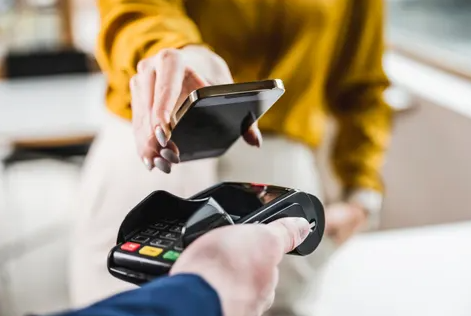
Contactless payments rely on secure near-field communication between a card or device and a reader, with transaction data tokenized to minimize exposure.
This mechanism enables rapid transactions, but scrutiny is warranted: security gaps may persist in implementation, and ethical concerns arise around data handling and consent.
The system trades perceived convenience for potential vulnerabilities, demanding transparent auditing and user-centered controls for genuine freedom.
See also: thepressvibepulse
How Safe Are Contactless Transactions?
The prior discussion established that near-field communication and tokenization underpin rapid, convenient payments; this sets the stage for evaluating safety.
Data indicate low fraud rates relative to card-present methods, yet incidents persist.
Privacy concerns arise from potential data collection during transactions and merchant onboarding gaps.
Skepticism remains warranted about uniform protections across providers, especially where merchant onboarding varies in rigor and oversight.
From Tap to App: The Ecosystem Driving Adoption
A data-driven ecosystem underpins rapid contactless adoption, with payments shifting from tap hardware to app-based wallets and issuer networks that orchestrate tokenization, risk controls, and onboarding.
The architecture hinges on cryptographic protocols and standardized merchant onboarding, enabling interoperable flows; yet skepticism remains about centralization, latency, and opaque risk models that shape adoption calendars and user freedom in a crowded, opaque ecosystem.
Practical Guide to Transitioning Your Business and Wallet
To operationalize the shift observed in the prior analysis, businesses and wallets must map concrete steps for integration with app-based ecosystems, tokenization services, and issuer networks.
The guide presents data-driven benchmarks, skeptical risk notes, and practical milestones, avoiding overclaim.
Techniques omission and fringe implications are examined, highlighting cost, latency, and privacy tradeoffs, while emphasizing freedom through modular, choice-rich deployment pathways.
Frequently Asked Questions
Can Contactless Payments Be Used Offline?
Contactless payments cannot function offline in most cases; wallets rely on real-time authentication. Data indicates limited offline wallet capability, with merchant adoption contingent on connectivity, risk controls, and fallback processes; skeptics warn about reliability and user freedom implications.
Do Refunds Differ for Contactless Transactions?
Refunds for contactless transactions follow standard policies, not inherently different; however, refund policies and dispute resolution processes vary by issuer and merchant. Data-driven assessment shows consistency in timing, with skepticism about uniformity across providers and payment networks.
How Do Rewards Programs Integrate With Tap-To-Pay?
Rewards integration occurs via issuer and merchant data sharing, enabling targeted offers, while tap to pay synergy relies on secure tokenization; skeptically, it may be fragmented, data-dependent, and inconsistent across wallets, vendors, and program rules, potentially limiting perceived freedom.
What Are the Costs for Merchants to Enable NFC?
Costs vary by provider, but typical merchant costs include setup, annual fees, per-transaction processing, and equipment. The analysis questions cost structure and security considerations, framing skepticism about hidden charges while preserving a data-driven, freedom-loving perspective.
Will Biometrics Replace PINS for Contactless Payments?
Biometrics adoption may reduce PIN reliance, but robust offline capabilities and fallback options remain essential; data suggests skepticism about universal replacement, as outages and privacy concerns temper enthusiasm for biometric-only contactless payments among freedom-minded stakeholders.
Conclusion
The data shows rapid adoption driven by speed and interoperability, but security claims remain nuanced. Transaction latency is low, yet gaps in onboarding and opaque risk models persist, inviting scrutiny. While tokenization and app-based wallets enhance convenience, the ecosystem’s governance and auditability lag behind consumer expectations. In sum, contactless payment is a promising but imperfect shift—a double-edged sword that shines with efficiency only when risk controls are transparent, modular, and rigorously tested. A cautious optimism is warranted.